
Building a Culture of Prevention and Support
It’s vital we educate the public about the ways we can all play a role in preventing suicide, while offering support to those impacted by loss.
This year, our flagship education program, Talk Saves Lives: An Introduction to Suicide Prevention, hit a new milestone, earning recognition from the Suicide Prevention Resource Center (SPRC) on its Best Practices Registry. The program, which covers the latest data and research, as well as suicide risk factors and warning signs, is available in specialized versions for specific audiences, including the LGBTQ+ and Latinx & Hispanic communities, the correctional environment, and the construction industry.
The new program Talk Saves Lives: Supporting Our Veterans — launched on Veterans Day, 2025 — addresses the fact that veterans die by suicide at roughly a 50% higher rate than non-veterans.
405K
people reached through Talk Saves Lives programs since its 2015 launch
81%
of participants report learning at least one new concept
58%
of participants report learning at least three new concepts
Raising Understanding for Healthcare Professionals
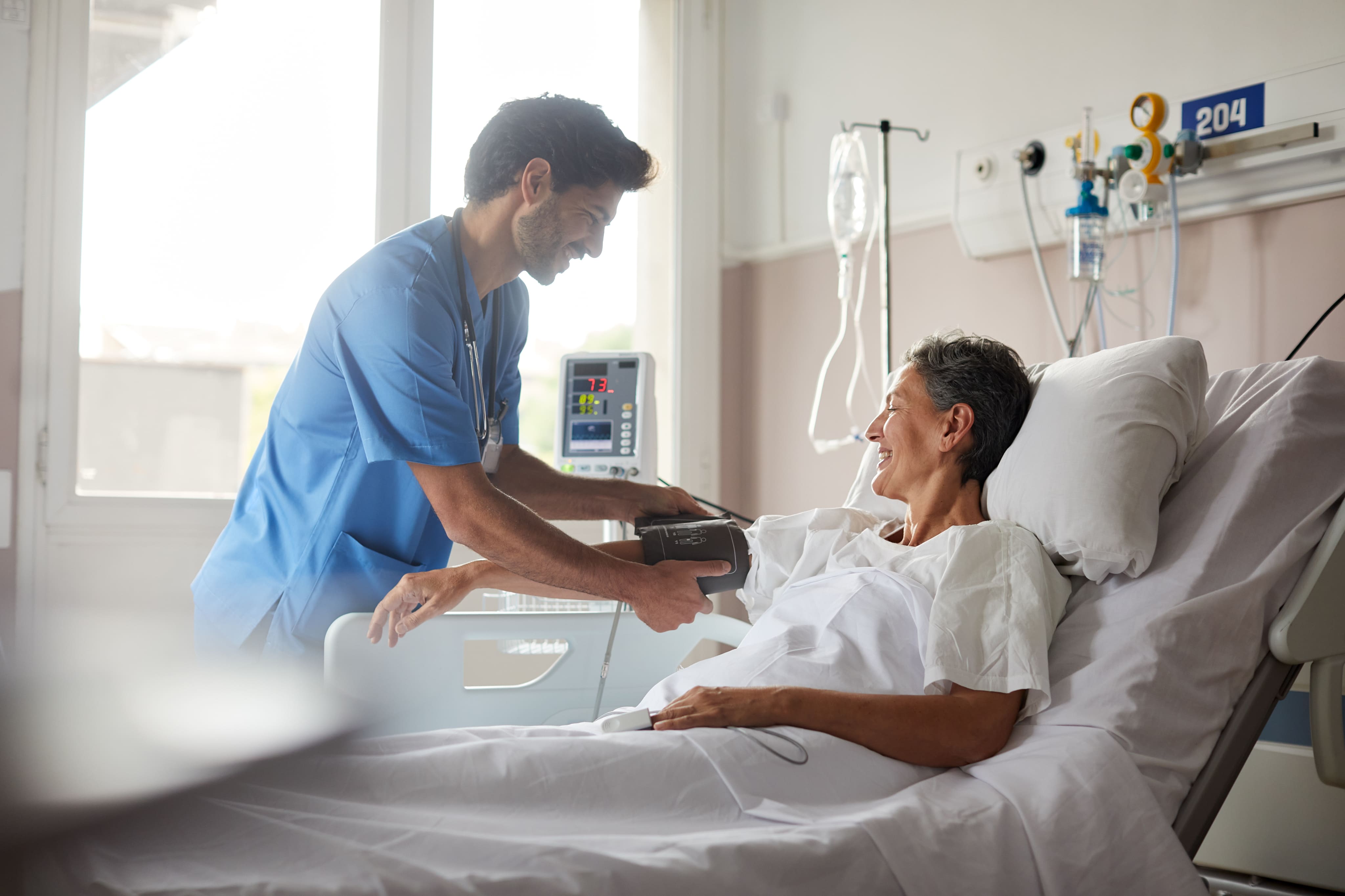
Most people who die by suicide have seen a healthcare professional in the three months before their death, making healthcare settings an important opportunity for suicide prevention. Yet, many healthcare professionals receive little training on suicide prevention. Launched this year, Clinical Approach to Preventing Suicide: An Introduction (CAPS) helps fill that gap, giving healthcare professionals practical tools to identify suicide risk, intervene when someone is struggling, and connect patients to appropriate care.
1.5K
clinicians
trained

91%
of participants report intending to screen patients for suicide risk, compared to 47% before the program
99%
would recommend the CAPS program to others
Supporting Disproportionately Affected Populations
Research shows supportive communities can be a powerful protective factor against suicide. In recognition of Pride Month, this past June we launched Pride Pathways: Suicide Prevention for LGBTQ+ Communities and Allies, equipping participants with practical tools to foster belonging, strengthen support systems, and create environments where LGBTQ+ people can thrive.


AFSP’s The Upright initiative advances health equity in suicide prevention, promoting resources and programs that acknowledge critical gaps in access, effectiveness, representation, and cultural relevance in mental healthcare by gathering direct input from marginalized communities in need of support.
Healing After Loss
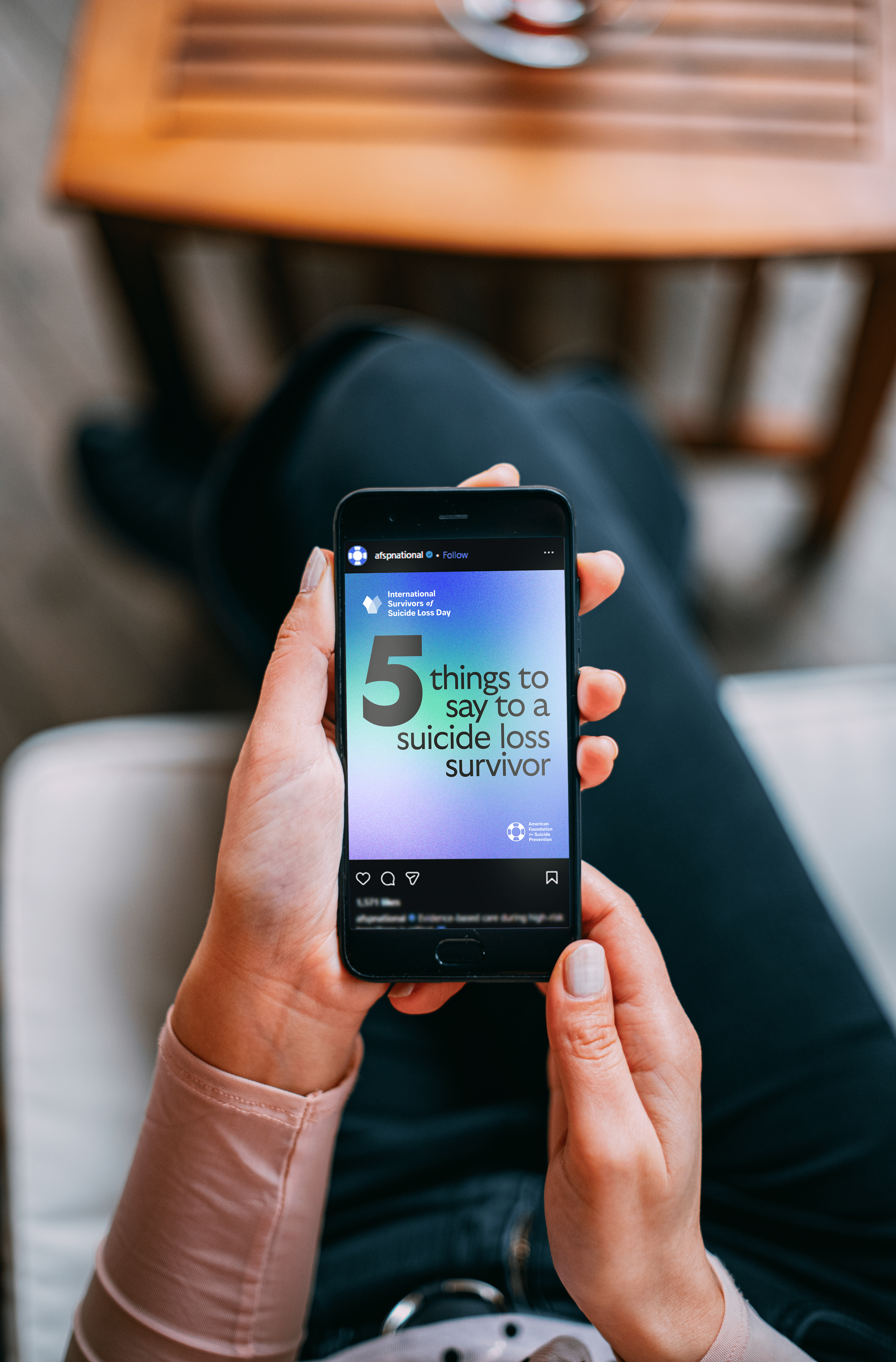
Those who have lost someone to suicide need understanding, connection, and support — whether the loss is recent or took place decades ago. Through programs such as Healing Conversations, which connects suicide loss survivors with trained volunteers who have also experienced suicide loss, and events like International Survivors of Suicide Loss Day (also known as “Survivor Day”), AFSP provides hope, understanding, and resources for those affected by this leading cause of death.
6.4K
people attended 306 Survivor Day events in 15 countries, including the U.S.
98%
of Survivor Day attendees felt connected, supported, and hopeful after the event
85%
of Survivor Day attendees intend to take at least one action after the event, like attending another AFSP program or engaging in self-care
562K
people viewed Survivor Day Live and Día de Esperanza (Day of Hope) virtual events, a 99% increase from last year
Expanding Suicide Loss Survivor Resources
This year, AFSP also launched Caring Communities: Guidance for Supporting Survivors of Suicide Loss, expanding the community of support around those affected by suicide loss. This program equips workplaces, community groups, and individuals with practical guidance to respond with compassion, offer meaningful support, and help suicide loss survivors feel less alone.
2.4K
individuals reached through a virtual Caring Communities presentation for National Grief Awareness Day
97%
of participants feel comfortable supporting a suicide loss survivor after the program, compared to 79% before the program
Real Stories Spotlight
Educating Other Medical Professionals on How to Prevent Suicide — After the Loss of My Husband
Dr. Julie Blehm, North Dakota Chapter