
Educating Other Medical Professionals on How to Prevent Suicide — After the Loss of My Husband
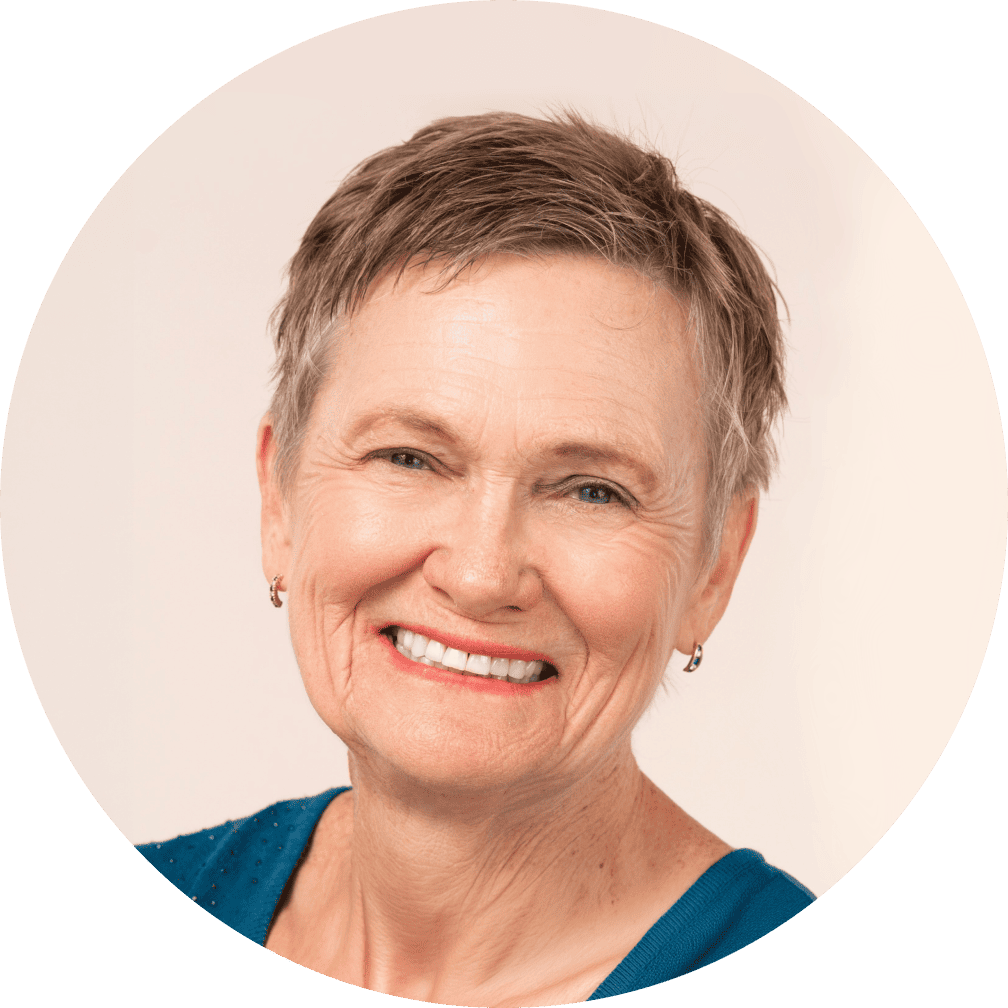
“My connection with AFSP began about a year after my husband died by suicide in 2011. David and I met in medical school and got married after our second year there. David had been struggling with alcohol, but I hadn’t foreseen that this would be the end.
I found my way to my local chapter of AFSP, where I met others who shared a personal connection to this leading cause of death, and began to gain understanding about it.
Recently, I’ve made use of my medical background in support of a new AFSP education program: Clinical Approach to Preventing Suicide: An Introduction, designed for healthcare providers and those in training, such as physician assistant (PA) students, nurse practitioner (NP) students, or physician residents.
When you consider that the majority of those who die by suicide have contact with a medical professional within three months of taking their own life, it’s easy to recognize how important it is that healthcare providers know how to recognize that someone may be in distress, and know how to connect them with help.
Volunteering with AFSP has meant a great deal to my healing process following my loss. And I know that through the power of community, as well as the ongoing research guided and supported by AFSP, more and more people affected by suicide will find their way to help and understanding, as well.”